

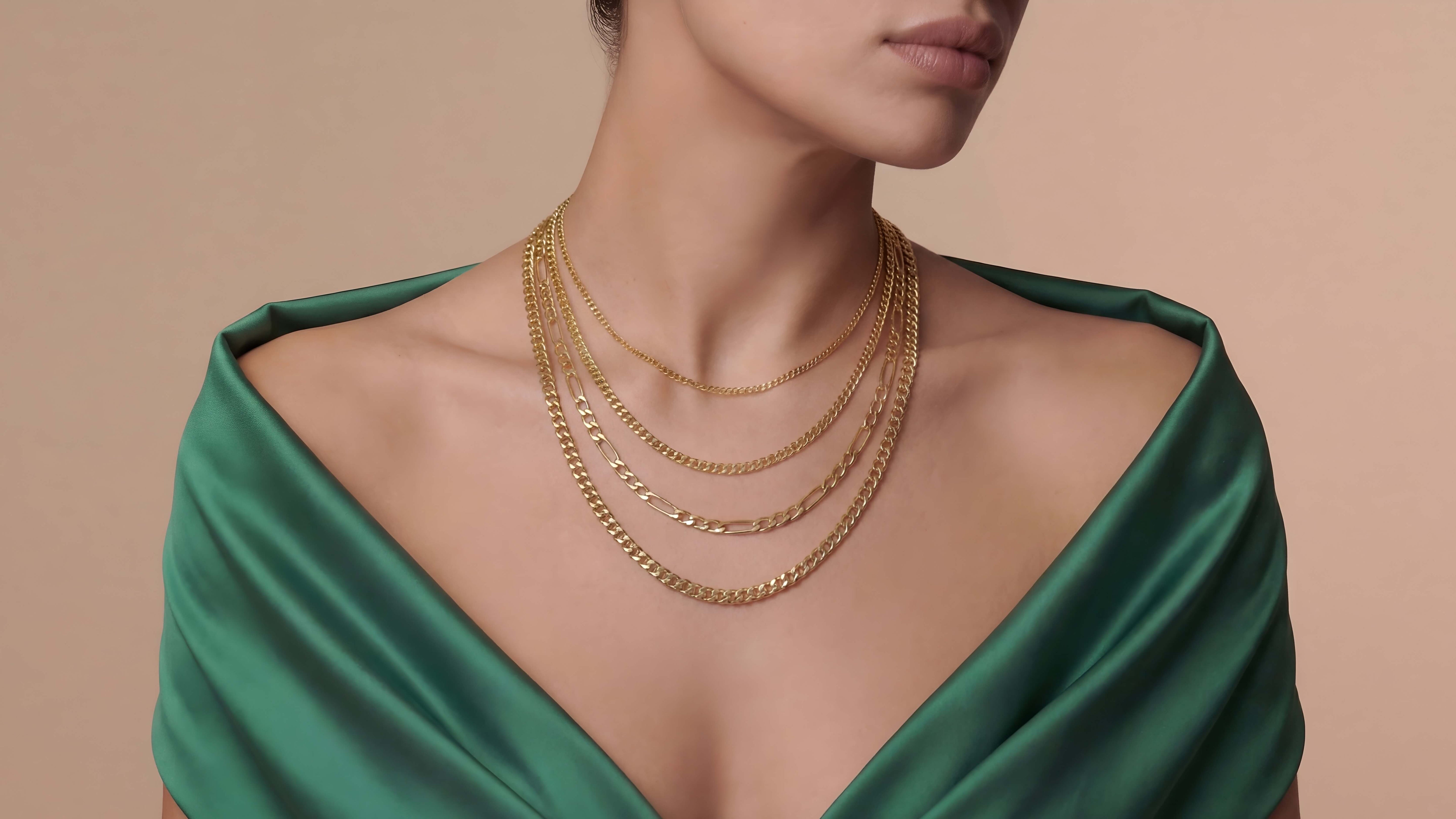
How to Choose a Chain for Your Fine Jewelry
Most people choose a chain by how it looks. They hold it up, like the way it catches light, and that's the decision. But six months later, they're back wondering why it snapped.
I've repaired thousands of chains over three decades, and the problem is almost never bad luck. It's a mismatch. The chain wasn't built for how it was being worn.
A chain isn't just decoration. It's a working piece of jewelry. And if you understand four things—link type, whether it's solid or hollow, the clasp, and the weight—you'll know more than most people who sell chains for a living.
The 4 Things That Determine Whether a Chain Lasts
- Link Type – How the chain moves and handles stress
- Solid vs. Hollow – What's actually inside the gold
- Weight – Whether the chain can handle what you're asking it to do
- Clasp – Where most chains actually break
Why Some Chains Hold Up and Others Don't
Every chain is made from repeating links. The shape of those links determines how the chain bends, how it distributes weight, and whether it can handle daily wear.
You don't need to memorize every style. You just need to know which ones are built to last.
Chain Styles That Hold Up to Daily Wear
- Rope Chain – Twisted design spreads stress across multiple points
- Curb Chain – Flat, interlocking links lie smoothly and resist tangling
- Cable Chain – Simple oval links that flex without breaking
- Wheat Chain – Woven structure moves fluidly and holds its shape
- Franco Chain – Square, interlocking links create a strong, flexible design
- Serpentine Chain – Smooth, tightly woven construction with excellent durability
Chain Styles to Avoid for Everyday Wear
- Snake Chain – Sleek, but kinks easily and doesn't recover
- Very Thin Chains (under 1mm) – Beautiful, but not built for constant wear
If you're wearing a chain every day, or if you're hanging a pendant on it, stick with rope, curb, cable, wheat, franco, or serpentine. They've been the workhorses of fine jewelry for generations because they actually work.
Garo Demirjian, Master Goldsmith & Jeweler:
"In my 30 years in the jewelry industry, I've found that chains originating from Italy consistently hold the highest standards for exceptional quality in fine jewelry. The craftsmanship and attention to link construction are unmatched."
Solid vs. Hollow: What's Actually Inside Your Chain
This is where most people get sold the wrong thing. Hollow chains are lighter. They're less expensive. And they look identical to solid chains when they're sitting in the case. But the moment you start wearing one, the difference becomes obvious.
Solid vs. Hollow Gold Chains
| Solid Gold | Hollow Gold | |
|---|---|---|
| Weight | Heavier | Lightweight |
| Durability | Built to last decades | Dents and collapses easily |
| Cost | More upfront | Cheaper upfront, but often needs replacement |
| Best For | Daily wear, pendants, heirlooms | Light occasional wear only |

Hollow chains work for pieces you wear once or twice a year. But if you're putting it on every day, or if you're hanging any kind of pendant from it, hollow is a gamble you'll likely lose.
At Demirjian, we don't work with hollow chains. Not because we're trying to upsell you. Because we've seen too many come back broken, and there's usually nothing we can do to fix them.
Weight and Thickness: Matching the Chain to the Job
Thicker isn't always better. But too thin for the job is the mistake I see most often.
Weight and thickness go hand in hand. A heavier chain is generally thicker and more durable, but the real question is whether it can handle what you're asking it to do.
If you're wearing a chain on its own, you have more flexibility. But the moment you add a pendant, especially one with any weight or sentimental value, the chain needs to be substantial enough to handle it.
Here's what I tell clients in my experience:
Quick Guidelines for Chain Weight and Thickness
- Solo chain (no pendant): 1mm–2mm works for most people
- Light pendant (small charm, simple design): 1.5mm–2.5mm
- Heavy pendant (gemstone, heirloom, statement piece): 2.5mm+ and match to pendant weight
The chain should look like it belongs with the pendant. If it looks fragile or mismatched, it probably is.
When we design a custom piece or work with a family heirloom, the chain is never an afterthought. We match the weight, thickness, link type, and metal to the pendant so everything works together. The stakes get even higher when the pendant itself is irreplaceable—if you're wearing a significant gemstone or a piece from our Works of Art Collection, the chain choice becomes protective, not cosmetic.
Gold Purity: Why 14k Is the Standard for Chains
Higher karat gold is more pure. It's also softer. That's just how gold works.
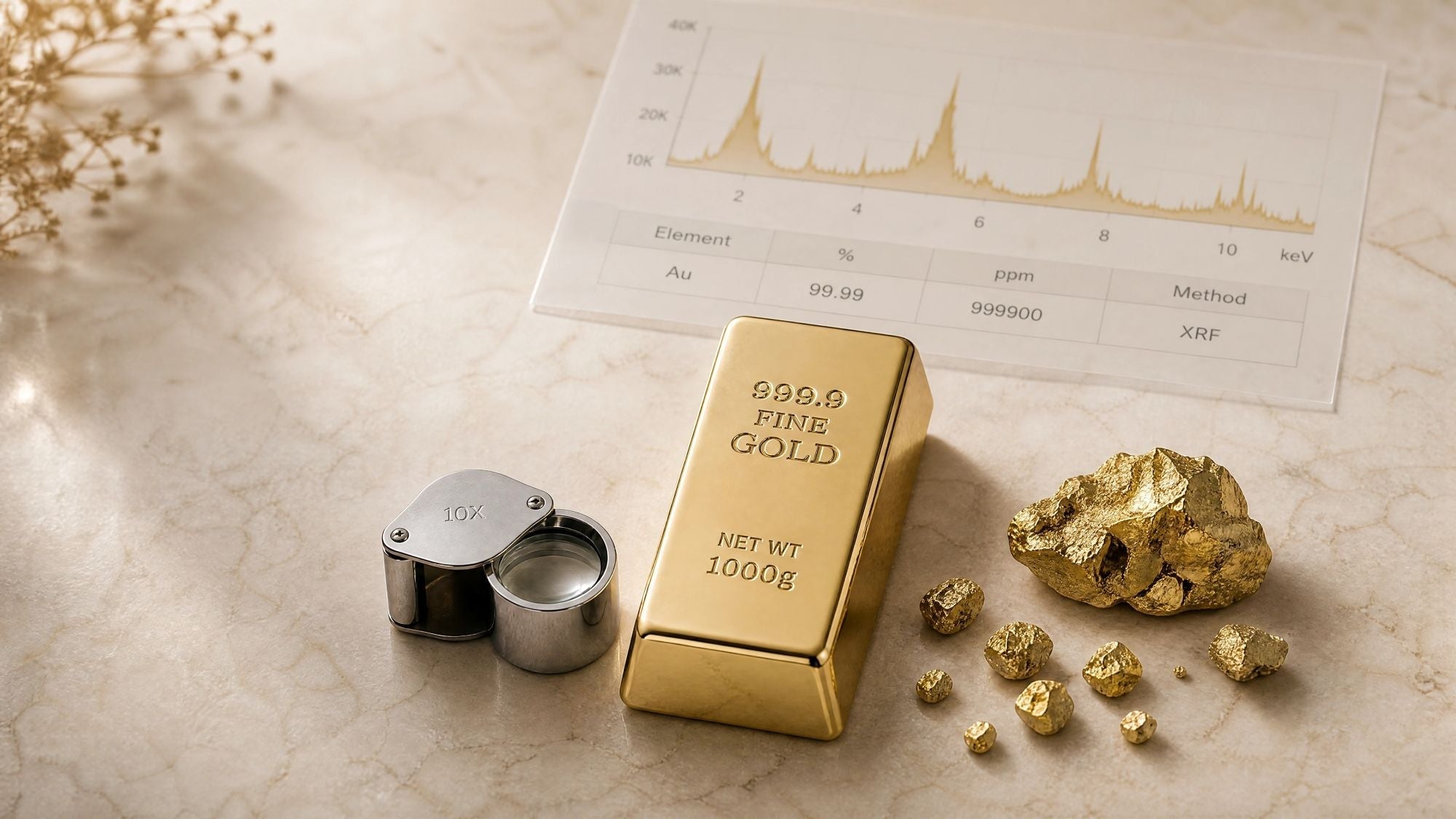
- 24k gold is too soft for most jewelry, especially chains
- 18k gold is beautiful and rich in color, but it scratches more easily
- 14k gold is the sweet spot: durable, warm in tone, and built for real life
For anything you're wearing regularly, 14k is the right choice. It's not a compromise. It's the jeweler's standard.
The Clasp: Where Most Chains Actually Fail
You can have the perfect link type, solid gold, the right weight—and still end up with a broken chain if the clasp isn't secure.
The clasp is the only part of the chain designed to open. That makes it the weakest point by design.
Most Reliable Clasp Types
- Lobster Claw – Strong, secure, standard for daily wear
- Spring Ring – Common, but wears out faster over time
- Box Clasp – Secure when new, but needs to match chain weight
- Toggle Clasp – More decorative, less secure for everyday
If you're buying or commissioning a chain for a piece you care about, don't let the clasp be an afterthought. It should match the quality of everything else.
How to Choose the Right Chain (Checklist)
- Decide how you'll wear it – Daily? Occasionally? With a pendant?
- Choose a link type built for the job – Rope, curb, cable, wheat, franco, or serpentine for everyday wear
- Make sure it's solid, not hollow – Especially if you're wearing it often
- Match the weight and thickness to what it's carrying – Heavier pendant = heavier, thicker chain
- Check the clasp – Lobster claw is your safest bet
Chains Built to Last
At Demirjian Jewelry Design, we don't carry chains that we wouldn't wear ourselves or put on our clients' heirlooms. Every chain is solid gold, matched to how you'll actually wear it, and built to last.
If you're commissioning a custom piece, resetting a family stone, or just trying to replace a chain that keeps breaking—come in and let's talk through it. This is exactly the kind of conversation we're here for.

1 comment
Much appreciated your well written education on the value of using the correct weight and design with different levels of gold.
Lillian Horne
Leave a comment
This site is protected by hCaptcha and the hCaptcha Privacy Policy and Terms of Service apply.