

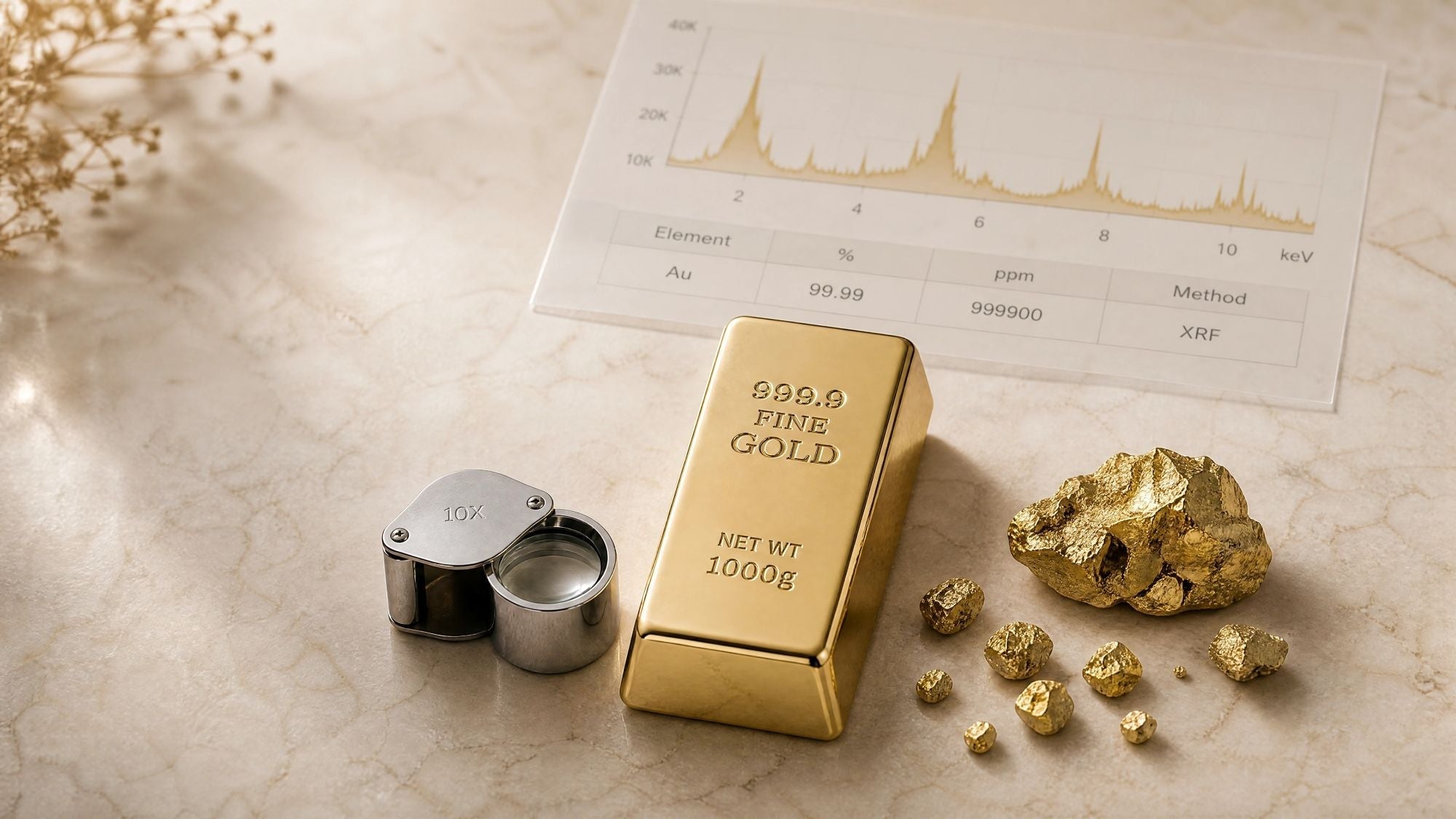
Gold Karat Guide: Understanding 10k, 14k, 18k & 24k Gold
Most people assume that higher karat gold is automatically better. It makes sense. "More gold" sounds like "more quality."
But after thirty-plus years of designing custom pieces, I can tell you that purity and performance are two very different things. The right karat depends on how you live, what you value, and how long you want the piece to last. This guide will give you everything you need to make that decision with confidence.
What Karat Actually Means
Karat measures how much pure gold is in a piece of jewelry, out of 24 parts total.
Here's the breakdown:
- 10k = 41.7% pure gold
- 14k = 58.3% pure gold
- 18k = 75% pure gold
- 24k = 99.9% pure gold
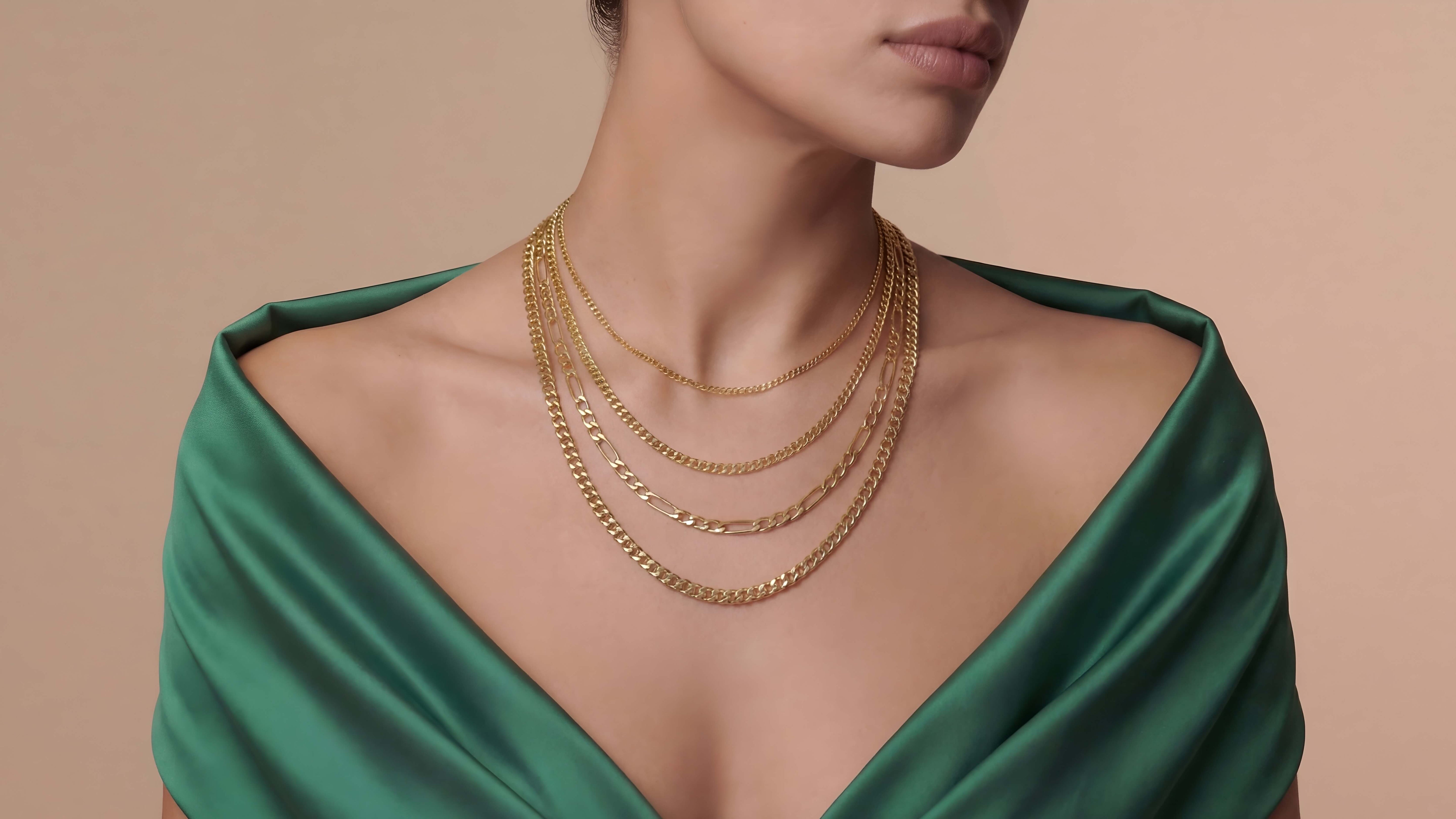
The rest is made up of metals like copper, silver, zinc, and palladium. These aren't fillers. They're what make gold strong enough to wear. They also determine color. Rose gold gets its blush from copper. White gold gets its cool tone from palladium. Yellow gold gets its strength from the alloy.
One important note: everything in this guide refers to solid gold, not plated. Solid gold lasts generations. Plated wears through in a few years. Now let's talk about how each karat actually performs.
Gold Purity Chart: How Each Karat Looks, Wears, and Lasts
The real differences show up in three places: color, durability, and how the piece ages over time.
| 10k | 14k | 18k | 24k | |
|---|---|---|---|---|
| Gold Content | 41.7% | 58.3% | 75% | 99.9% |
| Color | Pale yellow | Warm yellow | Rich, buttery | Deep yellow |
| Durability | Highest | High | Moderate | Very low |
| Best For | Budget pieces | Daily wear | Luxury daily wear | Investment/ceremonial |
10k Gold
10k is the hardest option because of its high alloy content. But the color is noticeably paler.
14k Gold
14k is the workhorse of fine jewelry. The color is warm, the metal is resilient, and it handles real life without complaint. In my experience, this is the best gold for rings worn every single day.
18k Gold
18k is where luxury meets wearability. Place a 14k piece next to an 18k piece and the difference in color is immediate. 18k has a deeper, buttery saturation that only improves with age. It's why many fine jewelers prefer 18k for their best work.
24k Gold: The Highest Purity
24k is the purest gold you can buy, and the softest. It contains no hardening alloys, which means it dents easily. A 24k ring can be scratched by a zipper or bent with firm pressure.
The most expensive option is not always the best for jewelry. 24k is ideal for investment bars, coins, and ceremonial pieces. But for everyday wear, it simply wasn't built for it. For most people, the real decision comes down to two karats.
How to Choose Between 14k and 18k for Daily Wear
This is the question I hear more than any other. The choice isn't about "good vs. better." It's about your lifestyle, your aesthetic, and how you define value.
14k is harder, more scratch-resistant, and costs less. If you lead an active life and want a piece that stays polished with minimal fuss, it's the smarter choice. 18k has richer color, a slightly heavier feel, and higher gold content that many clients value for heirloom significance. If you want the deepest warmth and see your jewelry as a legacy, 18k is worth every dollar.
In white gold, the visual gap between the two narrows. In yellow gold, it's unmistakable.
Garo Demirjian, Master Jeweler: "I never tell a client which karat to choose. I ask how they live, how they wear their jewelry, and what they want the piece to mean twenty years from now. The metal always reveals itself from there."
Clients sometimes ask if wearing 18k gold in the shower or during exercise will damage it. It holds up well. Removing rings during heavy manual work is wise regardless of karat, but normal daily exposure won't compromise an 18k piece.
The Best Gold Karat for an Engagement Ring
Engagement rings take more wear than almost any other piece of jewelry. They're worn constantly, often around the clock. The setting style should guide the karat as much as personal preference.
A delicate prong setting holding a valuable stone benefits from 14k's added hardness. Those thin metal tips need to stay rigid over years of wear. Equally important, a bezel or sculptural band beautifully showcases the warmth of 18k because the broader metal surface becomes part of the design itself.
This kind of guidance is what emerges during an engagement ring consultation. It's the difference between choosing a karat off a spec sheet and choosing one that's right for how the ring is actually built and worn.
Your Gold Karat Checklist
- Choose 10k if budget is the top priority and the piece won't see heavy daily wear
- Choose 14k if you want the best balance of durability, warm color, and value for an everyday ring
- Choose 18k if you want the richest color and highest gold content that's still built for daily life
- Choose 24k only for investment pieces, ceremonial jewelry, or designs reserved for special occasions
Frequently Asked Questions About Gold Karats
Does higher karat mean better quality? Not necessarily. Higher karat means more gold content, but it also means softer metal that's more prone to scratches. For jewelry worn every day, 14k often outperforms 18k in durability.
Is 14k or 18k better for engagement rings? Both are excellent. 14k offers superior durability for active lifestyles. 18k delivers richer color and stronger heirloom appeal. The right choice depends on how the ring will be worn.
Why does 24k gold scratch so easily? Pure gold contains no harder alloy metals to reinforce its structure. It's inherently soft, which makes it beautiful but impractical for jewelry that needs to survive daily wear.
Which gold karat is best for everyday wear? 14k is the best balance of durability, warm color, and value for rings and jewelry worn daily. It holds up to real life without losing its richness.
Why the Right Karat Matters for Custom Jewelry
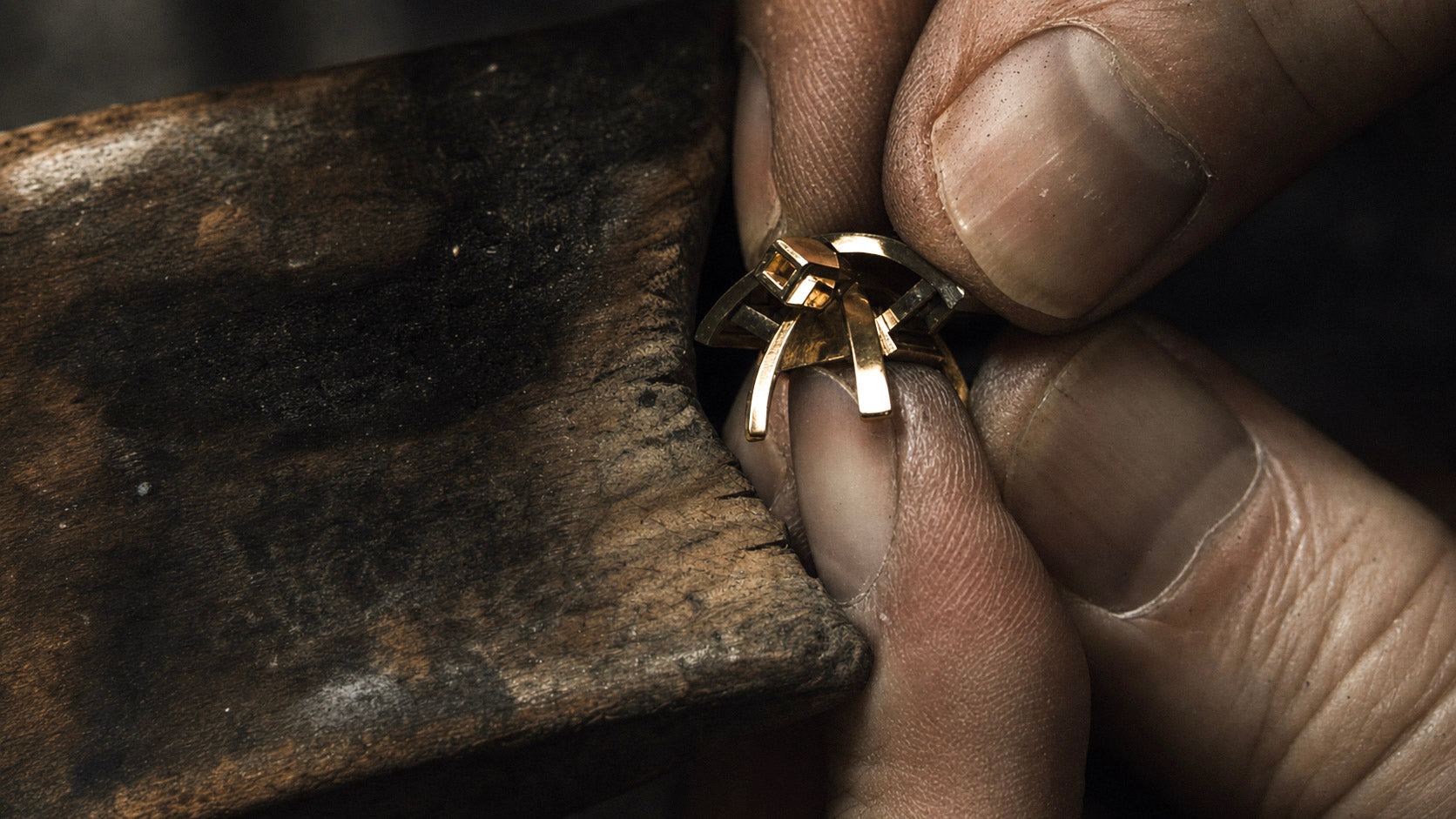
In custom gold fine jewelry, the karat is decided before the first sketch. It affects how the metal casts, how it polishes, how it holds a stone, and how the finished piece looks and feels for the next fifty years.
When you begin a custom design process with us, every material choice is informed by your life, your taste, and your vision for the piece's future.
If you're weighing karats for something that matters, we'd love to help you find the right answer. That conversation is where every great piece begins.

Leave a comment
This site is protected by hCaptcha and the hCaptcha Privacy Policy and Terms of Service apply.